What You Need to Know About Import Shipping from China to Australia
Shipping from China to Australia plays a major role in international trade, with thousands of businesses relying on efficient logistics, cost-effective freight options, and accurate customs clearance. Whether you are a first-time importer or an established business expanding your supply chain, understanding the process is essential. From documentation to duties, freight methods to timelines, this guide covers everything you need to know to manage shipments with confidence while working with expert shipping services from China to Australia with customs support.
Understanding the Basics of International Trade Between China and Australia
China and Australia share one of the strongest trade relationships in the Asia-Pacific region. Importers benefit from a wide range of suppliers, competitive pricing, and reliable production capabilities. To successfully navigate shipping from China to Australia, importers need to understand key trade rules, customs requirements, and logistics options. Every shipment follows a structured process involving supplier coordination, freight booking, documentation, transport, customs clearance, and final delivery.
Freight Options When Shipping from China to Australia
Choosing the right freight method is one of the most important decisions in the importing process. The three main methods are:
Sea Freight
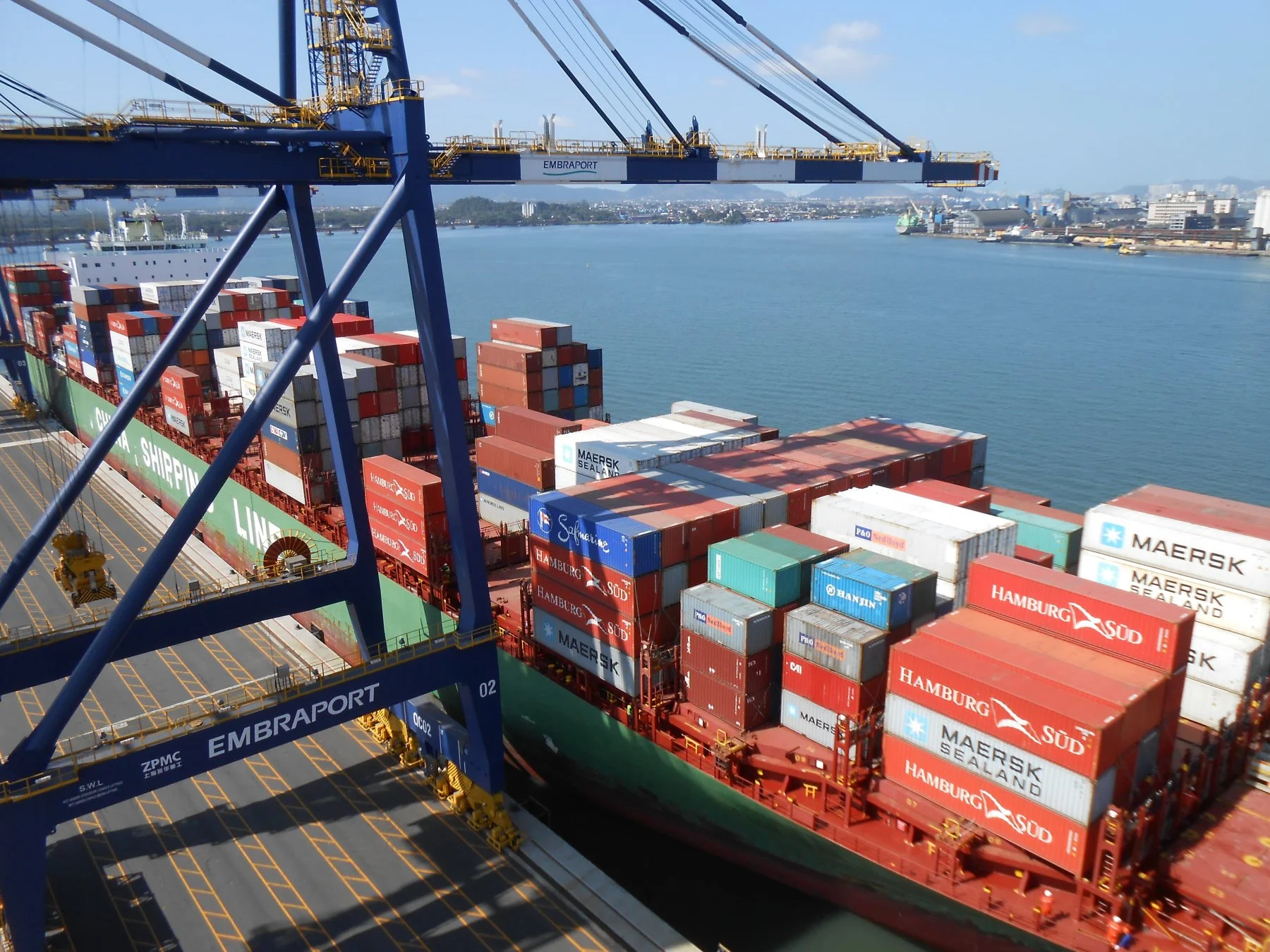
Sea freight is the most common choice because it is cost-effective for bulk shipments. Shipping containers come in 20-foot and 40-foot sizes, and cargo can be sent as:
• Full Container Load (FCL)
• Less than Container Load (LCL)
Transit time for sea freight typically ranges from 12 to 30 days depending on the departure port in China and arrival location in Australia.
Air Freight
Air freight is faster but more expensive. It is ideal for high-value goods, urgent shipments, or smaller parcels. Transit times can be as short as 2 to 7 days, depending on the airline and route.
Express Courier
Courier companies like DHL, UPS, and FedEx offer door-to-door services with delivery times of around 3 to 6 days. This method is suitable for small packages or high-priority goods.
Working with expert shipping services from China to Australia with customs support helps businesses choose the right freight method based on budget, timing, and cargo type.
Key Documentation Required for Importing Goods
Proper documentation is essential for smooth customs clearance. Missing or incorrect paperwork can cause delays or penalties. The most important documents include:
• Commercial Invoice
• Packing List
• Bill of Lading (sea freight) or Air Waybill (air freight)
• Certificate of Origin (if needed)
• Import Declaration
• Insurance Certificates
• Purchase Contracts
A freight forwarder can help review and prepare these documents to ensure compliance.
Understanding Customs Duties and Taxes in Australia
Australian Border Force (ABF) requires importers to pay duties and Goods and Services Tax (GST) depending on product category and value. Key points include:
• GST is generally 10% of the customs value of goods
• Duty rates depend on the HS code
• Some goods qualify for duty reductions or exemptions
• Biosecurity checks may apply for items like food, wood, or agricultural products
A professional team offering expert shipping services from China to Australia with customs support can help determine accurate duty rates and prevent costly errors.
Incoterms and Their Role in Shipping Agreements
Incoterms are international rules that define the responsibilities of buyers and sellers during shipment. Common Incoterms used in China-Australia trade include:
EXW (Ex Works)
Buyer is responsible for all transport and export procedures.
FOB (Free on Board)
Supplier handles export clearance and delivers goods to the port; the buyer manages shipping and import.
CIF (Cost, Insurance and Freight)
Seller covers shipping and insurance until the goods reach the destination port.
DDP (Delivered Duty Paid)
Seller covers everything including customs duties and delivery. This option is convenient but usually more expensive.
Choosing the right Incoterm helps avoid misunderstandings and unexpected costs.
Transit Times for Shipping from China to Australia
Transit times depend on freight method, port locations, and peak seasons.
Approximate Transit Times
• Sea Freight FCL: 14–25 days
• Sea Freight LCL: 18–30 days
• Air Freight: 2–7 days
• Express Courier: 3–6 days
Factors such as weather, port congestion, customs inspections, and holidays may affect overall timing.
Cost Factors in China–Australia Shipping
Several elements influence the final cost:
• Freight type (sea, air, express)
• Cargo weight and volume
• Port fees
• Customs duties and GST
• Documentation and brokerage
• Insurance
• Storage and quarantine checks
Comparing quotes and reviewing service inclusions is essential when planning the total logistics budget.
Working with a Professional Freight Forwarder
A freight forwarder manages the complex aspects of logistics, making the import process easier and more reliable. A trained team offering expert shipping services from China to Australia with customs support can assist with:
• Supplier coordination
• Booking sea or air freight
• Cargo consolidation
• Documentation review
• Customs declarations
• Duty and GST estimation
• Delivery and local transport
A good forwarder ensures transparency and reduces the risk of delays or unexpected charges.
Compliance and Biosecurity Requirements in Australia
Australia has strict biosecurity laws to protect the environment and agriculture. Imported goods may undergo inspection by the Department of Agriculture, Fisheries and Forestry (DAFF). Common risk items include:
• Wooden products
• Organic materials
• Food items
• Plant-based goods
If items fail inspection, they may require fumigation, treatment, or re-export. Importers should always confirm compliance before placing orders.
Tips for Reducing Shipping Costs
There are several ways to save money without compromising reliability:
• Consolidate shipments to reduce LCL costs
• Use FCL if volume is high enough
• Negotiate with suppliers for better packing efficiency
• Choose the right Incoterm
• Book during non-peak seasons if possible
• Compare freight forwarders for the best service-to-price ratio
Strategic planning helps optimise the entire logistics budget.
How Custom Printing Supports Import and Shipping Operations
Custom printing is not only valuable for branding but also helps streamline logistics processes. For example:
• Custom-printed labels help identify products during inspections.
• Printed cartons enhance organisation in warehouses.
• Barcodes and QR codes support inventory tracking.
• Custom-printed packaging strengthens brand presence in retail environments.
Just like how custom printing helps brands stand out, it also simplifies freight management and ensures smoother supply-chain operations.
How to Choose a Reliable Freight Partner
When selecting a freight forwarder for shipping from China to Australia, consider:
• Experience in China–Australia trade routes
• Transparent pricing
• Strong customs brokerage skills
• Reviews and client testimonials
• Range of freight options
• Responsiveness and communication
• Ability to handle both small and large shipments
A trustworthy partner saves time, reduces risk, and ensures consistent delivery performance.
Final Thoughts
Importing goods into Australia requires understanding freight options, customs rules, documentation, and the overall logistics process. By planning carefully and working with expert shipping services from China to Australia with customs support, businesses can minimise delays, reduce costs, and maintain efficient supply chains. With the right knowledge and professional guidance, shipping from China to Australia becomes a manageable and streamlined part of business growth.