Stormwater Drain Care Strategies For Homeowners And Property Managers
Stormwater drainage systems play a vital role in home and business flood prevention by absorbing the excess rainwater. Generally working behind the scenes, out of sight and mind, but when storms and heavy rains strike, you can see how effective they actually are. Regular maintenance is necessary to ensure stormwater drains continue to function as intended and prevent the accumulation of water around buildings. Voyager Plumbing’s North Shore experts are frequently approached by property owners who wish to learn about how to maintain their stormwater systems and long-term drainage.
Stormwater drains are constantly exposed to outside weather, in contrast to indoor sewage. However, elements like leaves, dirt, branches and sediment loss in drainage reduce their ability to drain, as well as changing climate patterns. Practical care techniques can help homeowners and property managers of nearby properties keep the water flowing freely and mitigate drainage problems.
Understanding The Purpose Of Stormwater Drains
Stormwater drains are designed to collect rainwater and quickly transport it away from driveways, gardens, paths, buildings and other external spaces. The primary task of these devices is to avoid water accumulation in areas that might generate danger or damage property.
Stormwater systems help absorb heavy volumes of rain whenever they work properly, and they relieve the pressure on your adjoining piece of infrastructure. Well-drained outdoor areas are safe, and the land stays in a good state even after many years.
Conducting Regular Visual Inspections
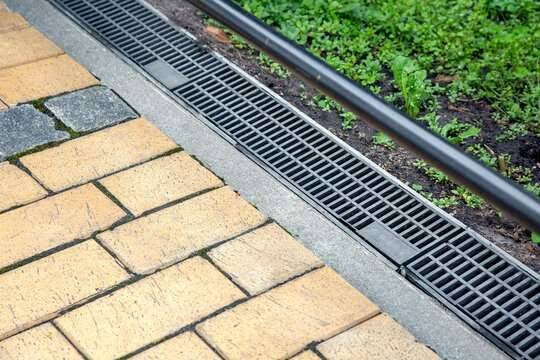
One of the simplest and most effective means of control is visual checks. Property owners should regularly inspect drainage grates, pits, channels and exposed pipe ends.
A blocked drain might be identified by traces of blockages, stagnant disease, or solidity. Detecting these problems early on allows for fixes before they turn into a significant water problem.
Regular monitoring can prevent small issues from escalating into larger maintenance problems.
Removing Surface Debris Consistently
What is naturally washed away by wind and rain from leaves, sticks, grass clippings and other things ends up in outdoor drains. This kind of stuff accumulates and blocks the water from travelling over the years.
Frequent washing from the drain holes ensures an unimpeded passage of water into the machine during rain. For bigger sites, property managers might even establish a maintenance plan for continuous upkeep of entry locations and stormwater throughout the year.
One of the best methods for ensuring correct drainage is to discard waste in a timely manner.
Monitoring Landscaping Around Drainage Areas
A design-oriented approach to the way you landscape can influence how your waste drains. Things like mulch, root systems of trees or plants and moving soil can modify how water flows over a landscape.
Landowners need to monitor plants near drainage systems and prevent gardening from obstructing the movement of water. When good design is applied to outdoor areas, it can complement stormwater systems as opposed to hindering their performance.
It is vital to maintain a pleasant mix of aesthetics and functionality in order to control runoff successfully.
Paying Attention After Major Storms
These rain-drenched events provide opportunities to see how well sewage systems function. Homeowners and property managers should monitor what happens after a storm — where water drains away easily and where it runs off or pools.
Long-standing puddles, weathering, or drainage pits that continue to overflow could be signs of deeper issues that need further examination. Consider the thoroughness of the drainage after a heavy rain, and you will uncover solutions that may not come to light in dry conditions.
Addressing Sediment Build-Up
When rain washes the soil away, sediment carried by runoff can collect over time in stormwater systems. Drains and lines can also act as a trap for small bits of soil, sand or organic matter, which can settle down over time.
Over the years, silt accumulates, and in turn, this impacts how water can flow. Regular cleaning gets rid of built-up debris that messes with the efficiency of the system. Control of sediment — this is particularly important for properties where there is heavy landscaping or where they are close to the building.
Planning For Seasonal Changes
Sewage problems are different at various times of the year. Autumn leaves also pile up much more, for example, and in the rainy weather period, drainage systems have a hard time.
The maintenance schedule is adjusted by property owners to synchronise with the respective seasons. Preparing drains before the weather changes has the added benefit of ensuring that the systems are able to accommodate additional water when they need to.
A seasonal-based approach results in better performance of drainage all year round.
Encouraging Proactive Maintenance
Most of the drainage problems occur over time, and our detectors detect them when it rains heavily. It is difficult to troubleshoot and fix issues when you wait until water or overflow occurs.
The purpose of proactive maintenance is to prevent problems from occurring. Property owners can stay out of trouble and keep confidence in their drainage systems by having routine examinations, cleanings, monitoring, and second opinions.
Conclusion
Stormwater drains are those items that require regular upkeep by observing them and the slip for effective methods of maintenance. By regularly performing these simple steps — clearing debris from drainage, monitoring landscaping and controlling sediment runoff- homeowners and property managers can ensure that drainage functions effectively year-round. Not only does this step protect outdoor spaces, but it ensures that sewage systems can continue to perform their essential function of keeping property protected. This also means that water is less likely to gather.