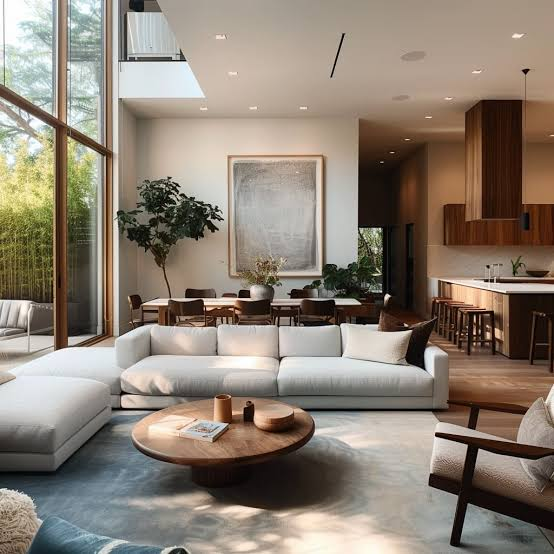
Increase Tenant Interest Through Flexible Layouts And Functional Living Spaces
A well-planned home can change with daily routines. Morning coffee may need one corner, while evening relaxation needs another. For property investors, flexible planning can make rental homes more useful. The strongest layouts leave room for changing habits. They also reduce wasted corners, blocked pathways, and awkward furniture choices. Good design therefore starts with movement, not decoration. Each area should support a clear purpose without feeling restricted.
Open planning gives rooms greater purpose
Open layouts allow one area to handle several activities. A lounge can also support reading, dining, or remote work. Furniture then creates separation without closing off valuable floor area. This keeps movement natural throughout the home. It also lets occupants adjust arrangements as routines change. Even compact apartments can benefit from this approach.
Could movable furniture change everyday comfort?
Fixed furniture can limit how a room develops. Movable pieces offer greater control over changing needs. A small table can shift beside seating during meals. Later, it can support a laptop near daylight. This simple flexibility helps occupants shape spaces around daily habits.
- Folding desks can disappear after work.
- Nesting tables open floor space when needed.
- Lightweight chairs can shift between different areas.
- Storage seats keep useful items close.
- Screens can create privacy without permanent walls.
Storage planning keeps useful space clear
Clutter can quickly reduce the value of good planning. Storage should therefore support habits rather than simply add capacity. Shelves near entrances can hold daily essentials. Deep drawers can handle larger household items. Under-bed compartments can store seasonal belongings without taking floor space. Such choices make rooms easier to manage. For property investors, useful storage can also strengthen a home’s practical appeal.
What makes bedrooms work beyond sleeping?
Bedrooms now serve several roles in modern routines. A quiet corner can accommodate reading or focused computer work. Wardrobes with sliding doors preserve walking space around beds. Wall-mounted lighting can free bedside surfaces for other uses. These details matter because bedrooms often carry competing demands. A thoughtful arrangement keeps those demands from creating visual clutter.
Kitchens benefit from adaptable working areas
Kitchen counters often become informal workstations during busy days. A wider surface can support food preparation and quick meals. Seating near the counter can create another useful zone. Drawers should remain easy to reach during cooking. Open shelves can keep regular items accessible without crowding work surfaces.
- Deep drawers make cookware easier to organize.
- Clear counters support smoother meal preparation.
- Compact islands provide extra working room.
- Durable finishes reduce upkeep between tenancies.
Small details can influence rental decisions
Practical features often shape the experience after viewing day. Power outlets near desks can support changing technology needs. Good lighting should cover cooking, reading, and evening tasks. Durable flooring can handle frequent movement without demanding constant care. Door placement also deserves attention because poor positioning can interrupt furniture layouts. When these details work together, a home feels easier to use. That ease can become a quiet reason for choosing one rental over another.
FAQs
Why do flexible layouts attract tenants?
Flexible rooms can support work, rest, dining, and storage without major changes. This makes available floor space more useful throughout different daily routines.
Which storage options suit compact homes?
Built-in shelves, deep drawers, and under-bed compartments use overlooked areas. Entryway storage can also prevent everyday belongings from spreading across living zones.
Can furniture improve a small home’s usability?
Yes, movable furniture allows occupants to change arrangements around current needs. Folding desks and nesting tables can release floor area when required.
Should rental homes focus on function first?
Function should guide major planning choices before decorative decisions take priority. Lighting, circulation, storage, and adaptable furniture can shape daily comfort more directly.